Ultra Short Throw (UST) projectors have become one of the most popular choices in 2026 for home theaters and “TV replacement” living room setups. However, many people still don’t fully understand how they work, where they’re best used, and how to choose the right one.
This guide will explain everything in the simplest way possible—what UST is, how it works, who it’s for, and what to look for when buying—along with real product examples to help you understand.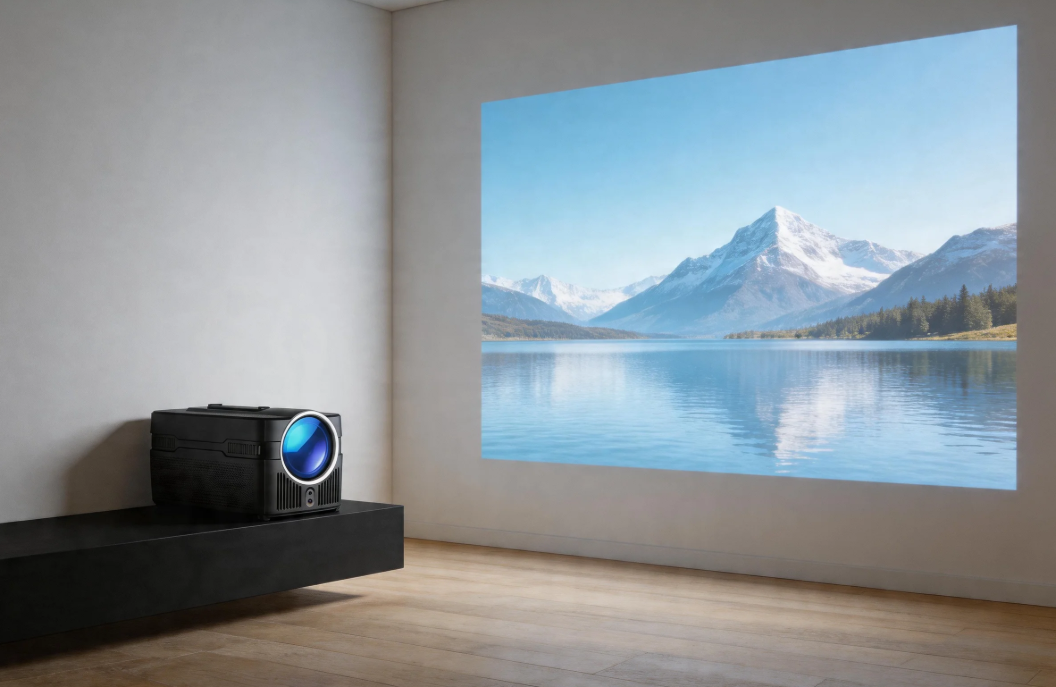
An Ultra Short Throw (UST) projector is a device that can project a large image from a very short distance.
In simple terms:
· Standard projectors: Require 2–4 meters or more
· Short throw projectors: Around 0.5–1 meter
· Ultra short throw (UST): Just a few centimeters to tens of centimeters
By industry definition, UST typically refers to projectors with a throw ratio below 0.4:1, with some models going as low as 0.2:1.
This means the projector can sit almost right against the wall and still produce a 100–120 inch image.
UST projectors are not simply “magnifying” the image—they rely on three core technologies:
They use specialized optical lenses to project light upward at a very steep angle.
Internal mirrors and lenses “fold” the light path, allowing large projection without requiring distance.
They use automatic adjustments such as auto keystone correction y image offset calibration to ensure a properly aligned picture.
|
Type |
Projection Distance |
Typical Use |
Pros |
Cons |
|
Long Throw |
2–5m |
Traditional home theater |
Lower cost |
Takes space, shadow issues |
|
Short Throw |
0.5–2m |
Small rooms |
More flexible |
Still needs distance |
|
UST |
0–0.5m |
TV replacement |
Space-saving, no shadows |
Higher cost, precise setup |
The rise of UST projectors is driven by three major trends:
More people are using multi-purpose living rooms instead of dedicated home theaters.
UST + a 100–120 inch screen delivers a large display with lower blue light exposure.
Laser light sources now offer:
· Higher brightness
· Longer lifespan
· More stable colors
Recent models can achieve:
· 4K support
· HDR
· High brightness for ambient light (2000–3000+ ANSI lumens)
· Low latency gaming modes
If you’re choosing a UST projector, focus on these five key factors:
· 800–1500 ANSI: Dark rooms / nighttime viewing (entry-level UST)
· 1500–2500 ANSI: Living rooms with low ambient light
· 2500–3500 ANSI: Mainstream living room use (curtains drawn during daytime)
· 3500+ ANSI: Bright environments / true TV replacement
Brightness also depends on ambient light, screen type (especially ALR screens), and image size.
· Standard UST: below 0.4:1
· Premium UST: 0.2–0.25:1
In 2026, 4K support is strongly recommended as a baseline.
Many UST projectors now include sound systems good enough for everyday use.
This determines how smooth and convenient the overall user experience will be.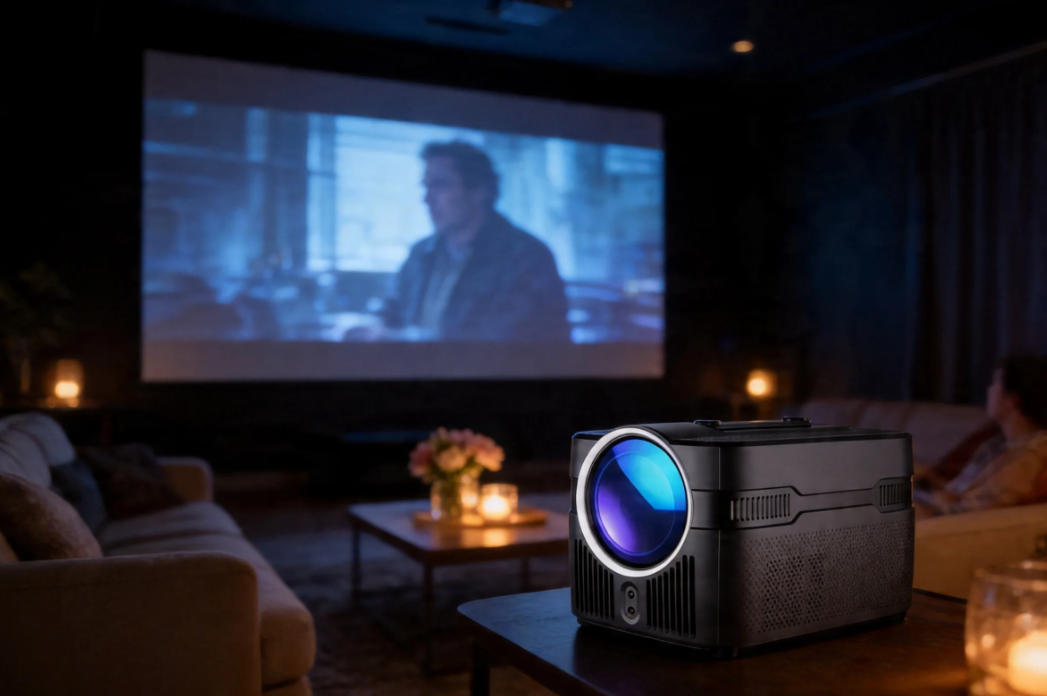
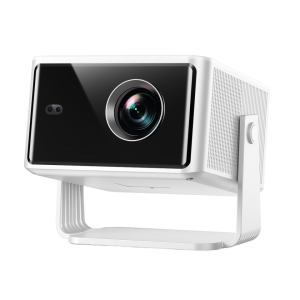
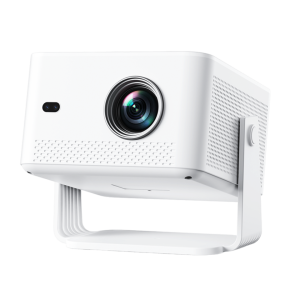
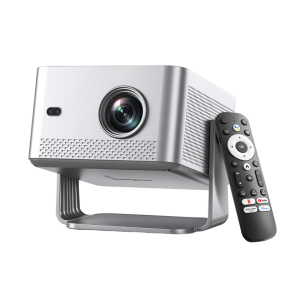
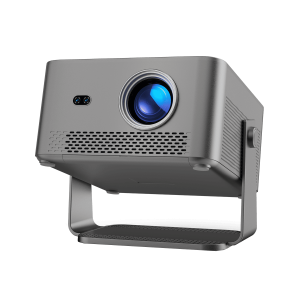
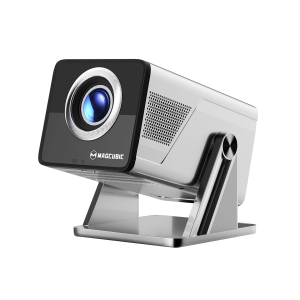
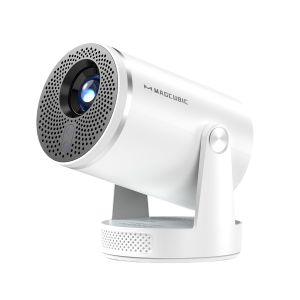
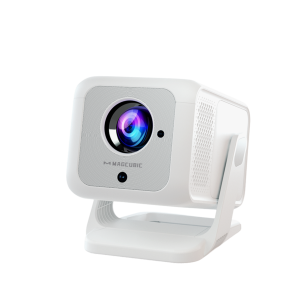
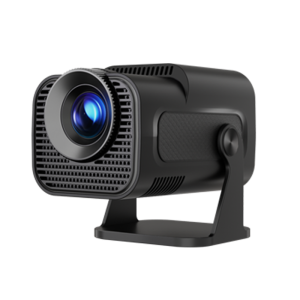
In the entry-to-mid-level UST market, the Magcubic HY450C is a representative option.
Key features include:
· Ultra Short Throw capability
· 1080P resolution with 4K decoding support
· Auto focus + auto keystone correction
· Built-in Android smart system
· Can project a large image from around 55 cm distance
· No complicated installation required
· Can be placed directly on a TV cabinet
· More space-efficient than traditional projectors
· Ideal for small living rooms, bedrooms, and gaming setups
If you’re trying UST for the first time, this type of model is a practical entry point.
✔ Small apartment users
✔ People looking to replace a TV
✔ Users who don’t want ceiling installation
✔ Gamers + movie lovers
✔ Fans of minimalist living room design
Ultra Short Throw projectors are evolving from a premium niche product into a mainstream home display solution in 2026.
Their core value is simple:
Get the biggest screen with the least amount of space.
If you want a living room where the TV disappears but the screen gets bigger, UST is one of the most practical solutions available today.
And products like the Magcubic HY450C are lowering the barrier to entry—making ultra short throw projection accessible to more users than ever.