Choosing a projector isn’t just about brightness or resolution. One of the biggest decisions is the projection technology inside the device. The two most common types are LCD (Liquid Crystal Display) et DLP (Digital Light Processing).
If you’ve been comparing projectors online, you’ve probably seen both technologies mentioned—but what do they actually mean, and which one is right for you?
In this guide, we’ll explain how LCD and DLP projectors work, compare their strengths and weaknesses, and help you decide which technology best fits your viewing needs.
An LCD projector uses liquid crystal panels to create images.
Here’s a simplified explanation:
1. A powerful LED or lamp produces white light.
2. The light passes through red, green, and blue LCD panels.
3. Each panel controls how much light passes through.
4. The colors combine through the lens to create the final image.
Because each primary color is projected continuously, LCD projectors often produce vivid, natural-looking colors.
· Excellent color accuracy
· High brightness efficiency
· Sharp image detail
· No rainbow effect
· Great for movies, TV shows, and family entertainment
· Slightly larger optical engine
· Contrast is usually lower than premium DLP models
· LCD panels may require better heat management over time
A DLP projector works differently.
Instead of LCD panels, it uses a Digital Micromirror Device (DMD) containing millions of tiny mirrors.
Each mirror tilts thousands of times every second, reflecting light toward or away from the lens to create an image.
Most consumer DLP projectors use a rotating color wheel to produce full-color images.
· Higher native contrast
· Smooth motion performance
· Compact optical design
· Fast response for gaming
· Excellent black levels
· Some users notice the “Rainbow Effect”
· Colors may appear slightly less saturated on entry-level models
· Brightness can vary depending on the color wheel design
|
Fonctionnalité |
LCD |
DLP |
|
Color Accuracy |
⭐⭐⭐⭐⭐ |
⭐⭐⭐⭐ |
|
Brightness Efficiency |
⭐⭐⭐⭐⭐ |
⭐⭐⭐⭐ |
|
Contrast |
⭐⭐⭐⭐ |
⭐⭐⭐⭐⭐ |
|
Motion Handling |
⭐⭐⭐⭐ |
⭐⭐⭐⭐⭐ |
|
Rainbow Effect |
None |
Possible |
|
Maintenance |
Low |
Low |
|
Portability |
Good |
Excellent |
|
Movie Watching |
Excellent |
Excellent |
|
Jeux vidéo |
Very Good |
Excellent |
LCD projectors are known for delivering bright, vibrant colors.
Since red, green, and blue light are projected simultaneously, colors often appear more natural and saturated.
This makes LCD an excellent choice for:
· Family movies
· Animated films
· Sports
· TV streaming
· Casual home cinema
DLP projectors generally produce deeper blacks.
Higher contrast helps dark scenes look more cinematic, especially when watching movies in a dark room.
If you mainly enjoy action films or sci-fi movies with lots of shadow detail, DLP may have an advantage.
Brightness depends on many factors, including the light source and optical design—not just LCD or DLP technology.
However, LCD projectors are often more efficient at converting light into visible brightness.
This means an LCD projector can appear brighter than a similarly rated DLP projector under the same conditions.
For gaming and sports, smooth motion matters.
DLP projectors typically offer:
· Faster pixel response
· Reduced motion blur
· Cleaner fast-moving scenes
LCD technology has improved significantly in recent years, and many modern smart LCD projectors also provide excellent motion performance for everyday gaming and streaming.
One unique issue associated with some single-chip DLP projectors is the Rainbow Effect.
Some viewers may briefly notice flashes of red, green, and blue when moving their eyes quickly across bright objects on a dark background.
Not everyone can see this effect, and many people never notice it.
LCD projectors do not produce this phenomenon because all colors are projected simultaneously.
· Watch lots of Netflix and YouTube
· Enjoy colorful movies
· Watch cartoons or family content
· Prefer natural-looking colors
· Want excellent brightness for everyday viewing
· Love cinematic movies
· Play competitive games
· Prefer deeper black levels
· Value compact projector designs
· Watch mostly in dark rooms
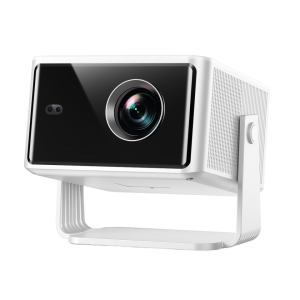
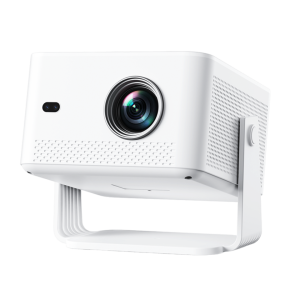
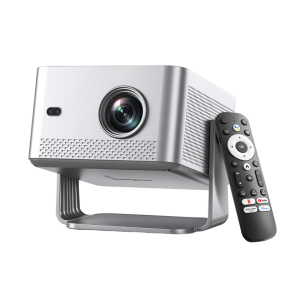
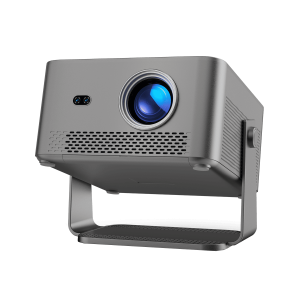
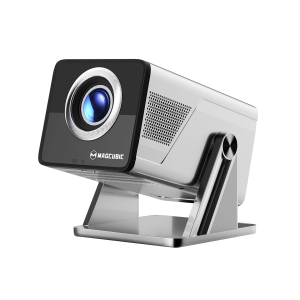
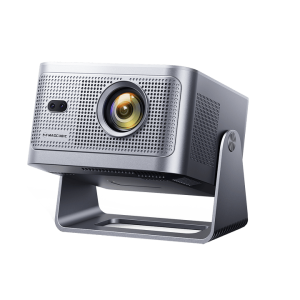
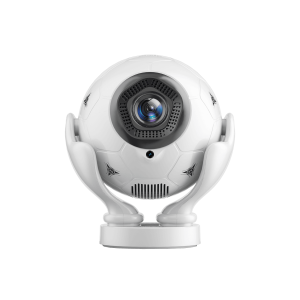
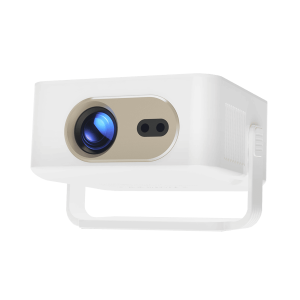
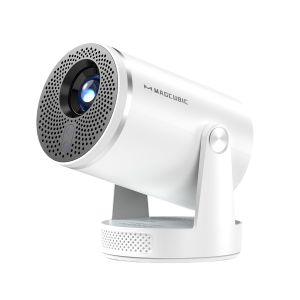
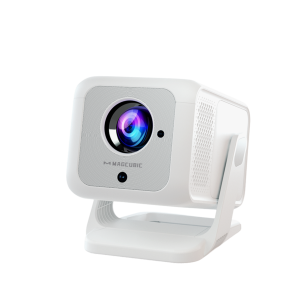
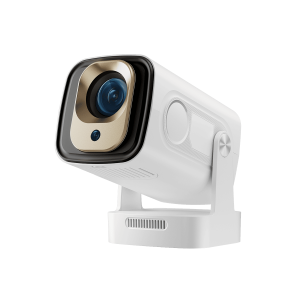
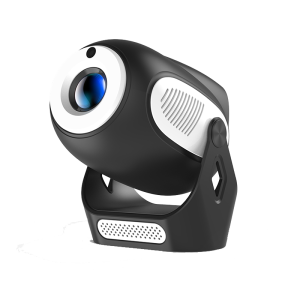
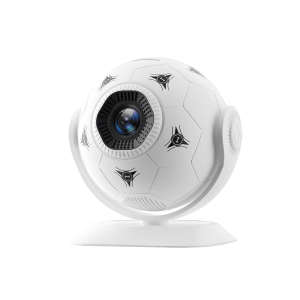
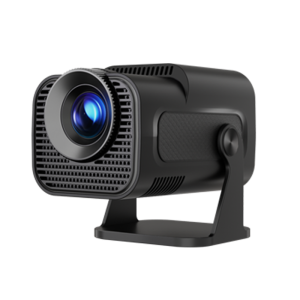
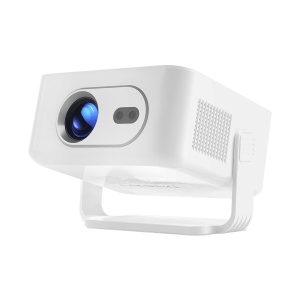
Many Magcubic smart projectors are designed around LCD projection technology combined with modern LED light sources.
This approach offers several advantages for everyday home entertainment:
· Bright, vibrant color reproduction
· Comfortable viewing for movies and TV shows
· Reliable long-term performance
· Energy-efficient LED illumination
· Excellent value for home users
Combined with smart features like Android 14, dual-band Wi-Fi, Bluetooth, auto keystone correction, and electric focus on selected models, Magcubic projectors provide an accessible home theater experience without the premium price tag.
Rather than focusing solely on one projection technology, Magcubic aims to balance image quality, portability, smart functionality, and affordability for a wide range of users.
Neither is universally better. LCD generally offers stronger color performance and brightness efficiency, while DLP often provides higher contrast and smoother motion. The best choice depends on how and where you’ll use your projector.
Both LCD and DLP projectors can provide many years of use. In modern LED projectors, the lifespan is primarily determined by the LED light source rather than the projection technology itself.
DLP projectors are often preferred for competitive gaming because of their fast response and smooth motion. However, many modern LCD smart projectors also perform well for casual gaming and console play.
No. Because LCD projectors project red, green, and blue light simultaneously, they do not produce the rainbow effect seen by some users on certain DLP projectors.
Both technologies can create an excellent home theater experience. If you prioritize vibrant colors and everyday versatility, LCD is a strong choice. If you watch mostly in dark rooms and value deeper contrast, DLP may better suit your preferences.
LCD and DLP are both mature projection technologies, and each has distinct strengths. LCD projectors excel in color accuracy, brightness efficiency, and natural-looking images, making them ideal for family entertainment and everyday viewing. DLP projectors are known for strong contrast, smooth motion, and compact designs that appeal to movie enthusiasts and gamers.
For most households, the overall experience depends on more than the projection technology alone. Features such as native resolution, ANSI brightness, smart operating system, wireless connectivity, and ease of setup all play an important role.
Magcubic combines modern LCD imaging with smart features and user-friendly design to deliver a balanced home entertainment experience—making it easy to enjoy movies, sports, and games on the big screen without overspending.