What are the key parameters and performance indicators of a projector?
What do they mean?
Let’s take a look today!
In today’s digital age, projectors have become an essential tool for presentations, home entertainment, and educational purposes. With a myriad of options available in the market, selecting the right projector can be a daunting task. To help you make an informed decision, here are some key parameters to consider when choosing a projector.
Resolution is one of the most critical factors to consider. It determines the clarity and sharpness of the image projected. The higher the resolution, the better the image quality.
Common resolutions are:
Measured in lumens, brightness is crucial, especially if you plan to use the projector in well-lit environments.
The contrast ratio refers to the difference between the brightest and darkest parts of an image. A higher contrast ratio means better color accuracy and deeper blacks, which is particularly important for movie watching.
The throw ratio determines how far the projector needs to be placed from the screen to achieve a certain image size. Consider the space available and the desired screen size when choosing a projector. If you have limited space, opt for a projector with a short throw ratio. Conversely, for larger venues, a long throw ratio might be more appropriate.
The width of the picture = projection distance / projection ratio = 3/1.5=2 meters
Adaptation installation environment: The projection ratio can help you choose a projector that is suitable for the room size. For example:
Width = 2.4/1.2=2 m
| class | Short focal projection | Telephoto projector |
| Projection ratio | Less than 1 | Greater than 1 |
| projector distance | It is close enough to project a large picture within 1 meter | Its far away and requires a lot of space |
| applicable scene | Small rooms, interactive projections, home theaters | Large conference rooms, exhibitions, theaters, etc |
| image quality | Edge distortion may occur due to lens design | The picture quality is more uniform and less distortion |
Ensure that the projector has the necessary ports and connectivity options to match your devices. HDMI, USB, VGA, and Wi-Fi connectivity are common options. For modern setups, consider a projector with built-in smart features like Bluetooth and Wi-Fi for easy wireless streaming and control.
The lifespan of the projector’s lamp or light source is another important consideration. LED and laser projectors generally have longer lamp lives than traditional lamp-based models. Look for a projector with a lamp life of at least 10,000 hours to minimize maintenance and replacement costs.
If you plan to move the projector frequently, portability is key. Consider the weight, size, and ease of setup. Compact and lightweight models are ideal for travel or use in multiple locations.
Lastly, consider the brand and your budget. Established brands often offer better reliability and customer support. However, don’t overlook newer brands that might offer innovative features at a competitive price. Set a budget that aligns with your needs and stick to it while looking for the best value within that range.
Choosing the right projector involves a careful consideration of multiple parameters, each tailored to your specific needs and environment. By focusing on resolution, brightness, contrast ratio, throw ratio, connectivity, lamp life, portability, and budget, you can find a projector that delivers exceptional performance and value. Take your time to research and compare different models, and don’t hesitate to seek expert advice to ensure you make the best choice for your needs.
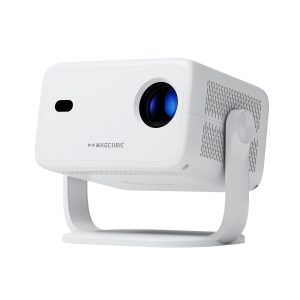
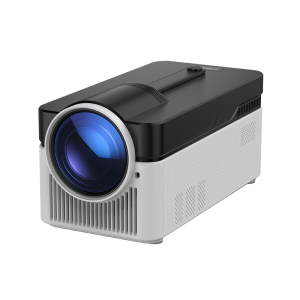
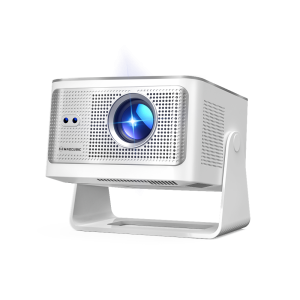
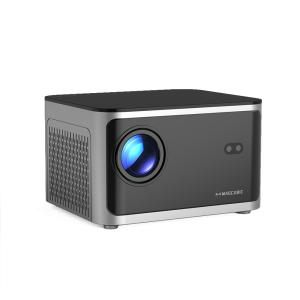
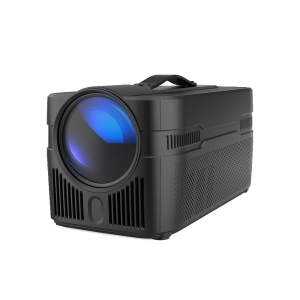
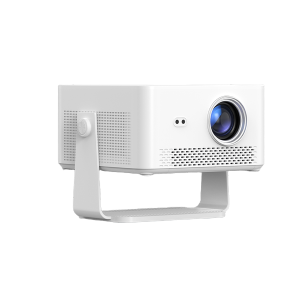
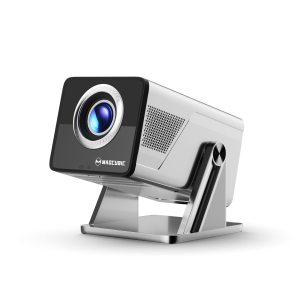
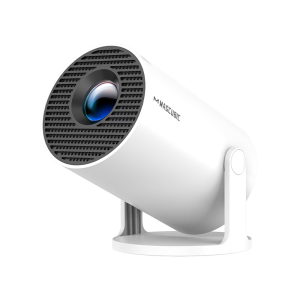
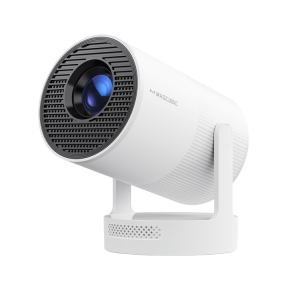
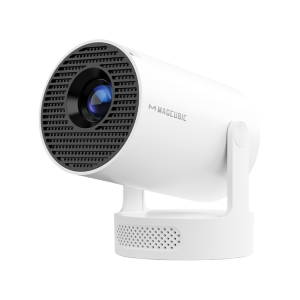
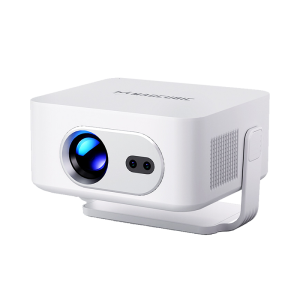
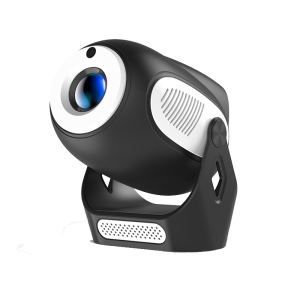
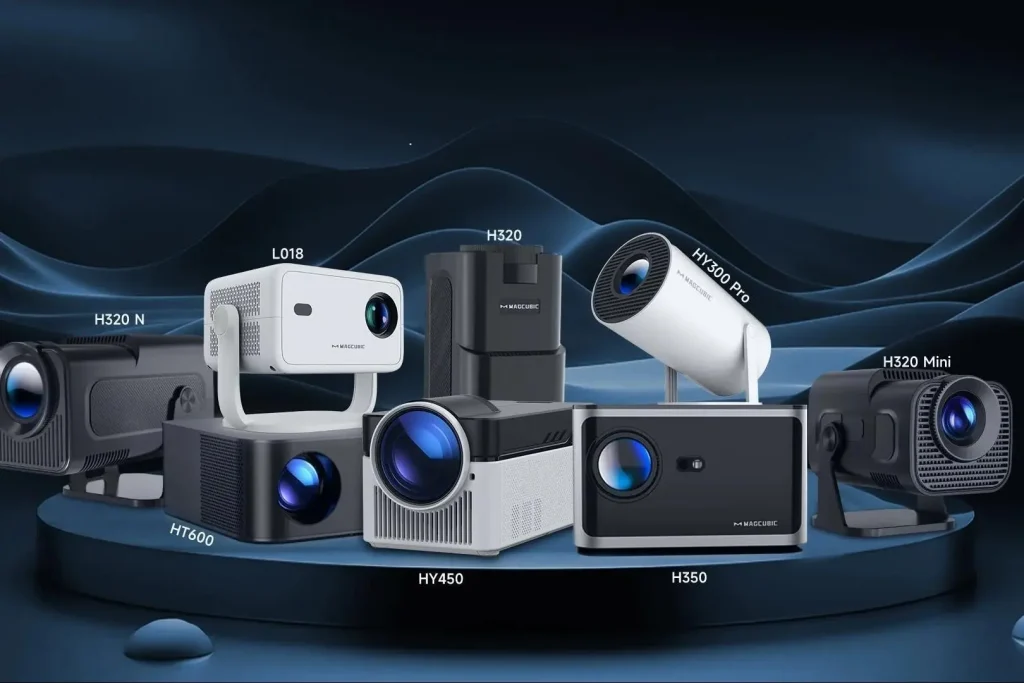
Magcubic offers several different models. Are you unsure about which one to choose? If so, take a look at our parameter comparison table. I’m confident it will help you make a more informed decision.






 United States Dollar ($)